
The first whisper of reason in a century that preferred to scream.
While inquisitors sharpened their quills to condemn, one Englishman dared to write a different kind of gospel — not of salvation, but of sanity. In 1584, Reginald Scot, a Kentish gentleman with more curiosity than caution, published The Discoverie of Witchcraft. It was a manifesto against madness — the first public defense of the accused, written when disbelief could still get you burned beside them.
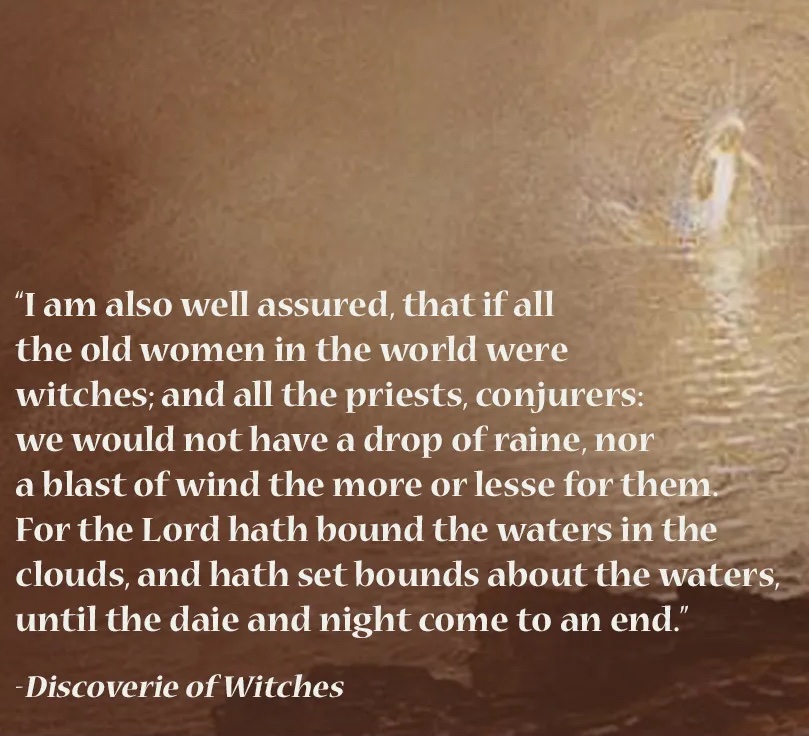
Scot didn’t mince words. “It is in man’s nature to be deceived,” he wrote, “and in woman’s weakness to be accused.”
At a time when fear was theology, this was treasonous empathy. Scot argued that so-called witches were mostly poor, lonely, or old — victims of rumour and superstition. He blamed the clergy and self-appointed “cunning men” who profited from public terror. He even revealed stage tricks used by magicians, showing that miracles and malice alike could be engineered by sleight of hand.
His thesis was radical for its day: that the Devil’s greatest deception was convincing men to see him in one another.
The book reads like the Renaissance’s first fact-check. Scot demanded evidence where others demanded confessions. He dismantled false miracles with humour and logic, writing lines that could trend on any 2025 timeline: “They that accuse another of witchcraft have commonly the witch’s mind themselves.”
That one sentence could light up X, Threads, and TikTok all at once. It’s the 16th-century version of “projection is confession.”
King James, predictably, despised him. When the monarch later wrote Daemonologie, it was partly a rebuttal to Scot’s heresy of reason. James ordered The Discoverie of Witchcraft burned — though, as with all dangerous ideas, the flames only made it spread faster.
Scot died quietly, never knowing that centuries later his book would be studied by historians, magicians, and psychologists alike. He was the first to stand between hysteria and humanity — the Renaissance’s accidental hero of doubt.
If you read him today, you’ll find not just a skeptic, but a prophet of compassion. He reminds us that critical thinking isn’t cold; it’s merciful. And that sometimes the bravest spell is simply saying, “Are you sure?”
“In trials of witchcraft,” Scot wrote, “it were time to doubt when men begin to hang the innocent.”
Still true. Always will be.

