
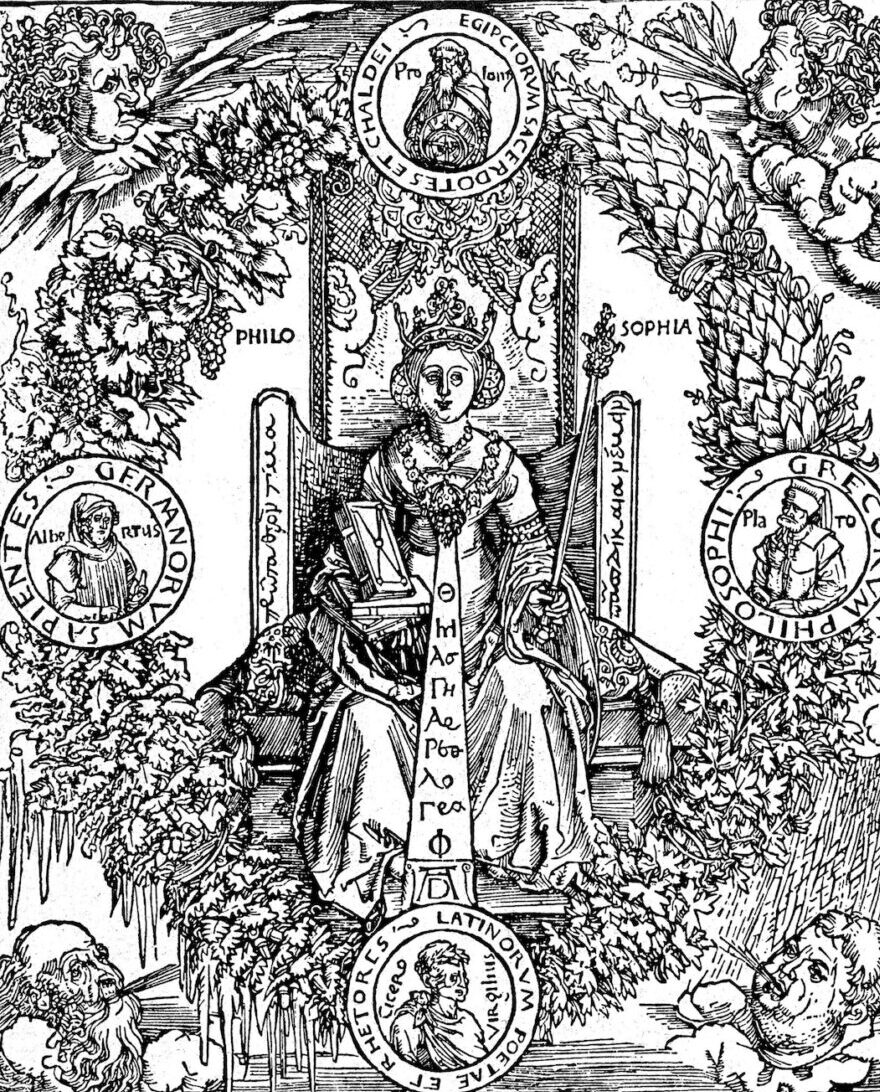
The 1600s were not polite. They were passionate, terrified, illuminated. It was an age when priests, poets, and physicists were all writing about God — only they disagreed wildly on who He was, or whether He should be running things at all.
While King James was commissioning his Bible and preaching divine order, his contemporaries were cracking open the universe. Shakespeare was onstage asking what it means to be human; Montaigne was in France, dissecting his own doubts; Galileo was peering through glass and finding the heavens not divine, but mathematical. Each one was writing their own gospel — some with theology, others with curiosity.
And somehow, they were all right. This was the century when the sacred and the sinful stopped being enemies and started being conversation partners. When passion itself became a subject worth studying. When desire was no longer just temptation, but a clue.
It’s easy to forget that the Reformation and Renaissance were happening at the same time — faith tearing down walls just as art and reason built new ones. The same printing presses that spread Malleus Maleficarum also gave voice to heretics, poets, and lovers.
In England, Shakespeare’s witches in Macbeth weren’t monsters; they were morality’s mirror. He wrote them for James — and in doing so, revealed the king’s private fears to the public stage. Fair is foul, and foul is fair was more than a riddle; it was the century itself speaking.
Across the Channel, Montaigne was writing essays that sounded like modern therapy sessions. He questioned everything — fear, death, virtue — not with arrogance, but with tenderness. “What do I know?” he asked, again and again, inventing humility as philosophy.
And in the shadows, Giordano Bruno — philosopher, mystic, rebel — declared the universe infinite and was burned for it. His crime? Saying that divinity was too big for walls, pulpits, or planets. It was a dangerous time to think. But everyone did anyway.
When the sacred met the sinful, they didn’t destroy each other — they produced light. A kind of intellectual alchemy that would, centuries later, give us everything from democracy to depth psychology. The King had his Daemonologie. The philosophers had their doubts. And in between, the artists held up the mirror — reminding humanity that both darkness and holiness live in the same face.
That’s the truth of the era: God didn’t vanish when questioned. He multiplied — through art, through language, through every trembling human hand brave enough to write.

